

WHY IT MATTERS TO US
1: Environmental Impacts
Methane and Carbon Dioxide are produced by uneaten/thrown-out foods in landfills.
2: Economic Burdens
The losses and CO2 emissions from Japan's household waste alone amount to hundreds of billions of dollars.
3: Global Injustice
Food waste is dreadful and unacceptable in a world where almost a billion people go hungry.

OUR CALL TO ACTION
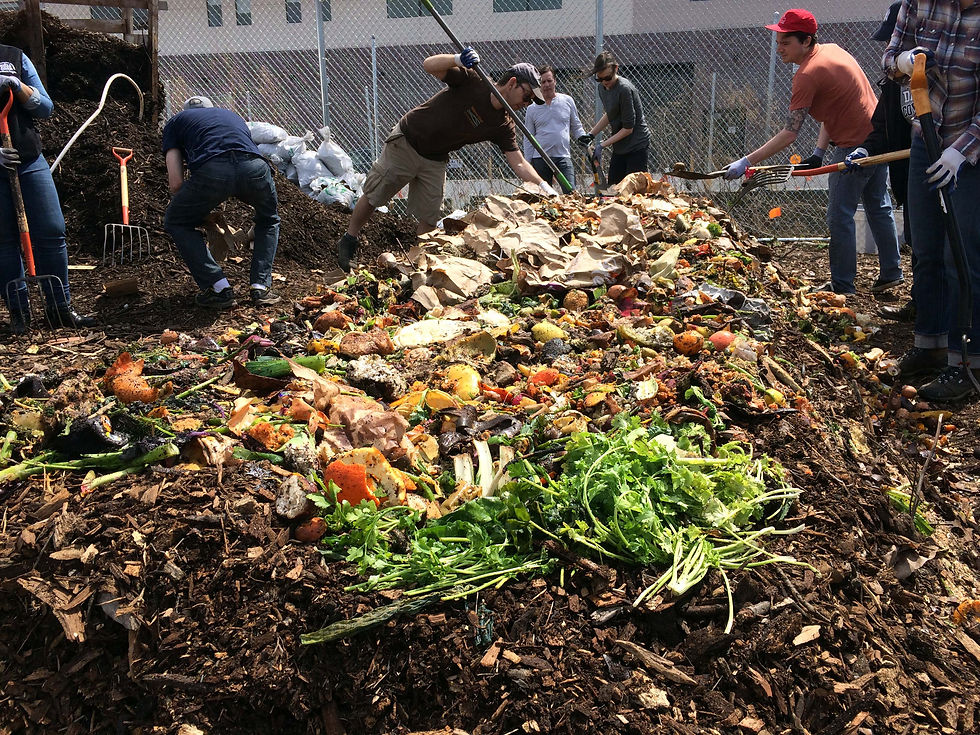
It's clear that we need to reconsider how we value and use food, as food waste is one of the biggest climate threats and has a significant local impact in Japan. By teaching smart cooking, repurposing scraps (for compost, fertilizer, and pet food), and motivating communities to take action—because what we waste matters—our organization seeks to address this head-on.
.jpg)
Globally:
According to unep.org, Around 1.05 billion tonnes of food—roughly 132 kg per person—were wasted globally in 2022, and 783 million people experienced chronic hunger.
After major industries, food loss and waste are among the biggest contributors to climate change, accounting for an astounding 8–10% of global greenhouse gas emissions. Due to lost resources, disposal, and environmental effects, this waste costs the world economy almost $1 trillion every year.
Additionally, according to Kyodo News, a look deeper shows households account for 60 % of global food waste, with food services at 28 % and retail at 12 %

Farmers' Vulnerability
From our interviews with Farmers, such as those located in Hodogaya Ward, we heard from multiple farmers that they are feeling the squeeze as global and local input costs, especially chemical fertilizers, climb higher, making farming harder to sustain. At GreenBite, we aim for practical solidarity: we compost community food scraps into natural fertilizer and donate it directly to nearby growers, and we produce small-batch coffee-scented candles whose proceeds and occasional in-kind gifts are returned to farming families. Although modest in scale, these efforts deliver tangible cost relief, strengthen local food networks, and show farmers they aren’t carrying the burden alone in a sustainable manner: small steps that build trust and help grow long-term community resilience sustainably.

Food waste isn’t just a missed opportunity—it’s a global and local emergency.
In Japan:
According to nippon.com, in the financial year 2022, 4.72 million tons of edible food were thrown away, which is approximately 103 grams per person per day or 38 kilojoules per person annually. With a 510,000-ton decrease from the year before, Japan is now eight years ahead of schedule in meeting its 2030 food waste target.
Households continue to contribute significantly—roughly 2.36 million tons—despite a decline in business waste, with the majority coming from food that has been thrown out or partially consumed (Tochibayashi).
An estimated ¥40 trillion (~US$277 billion) in economic losses and 10.46 million tons of CO₂ were released by household food waste in 2022, highlighting the financial and environmental repercussions.
THE ISSUE
When Food Is Wasted, So Is Potential